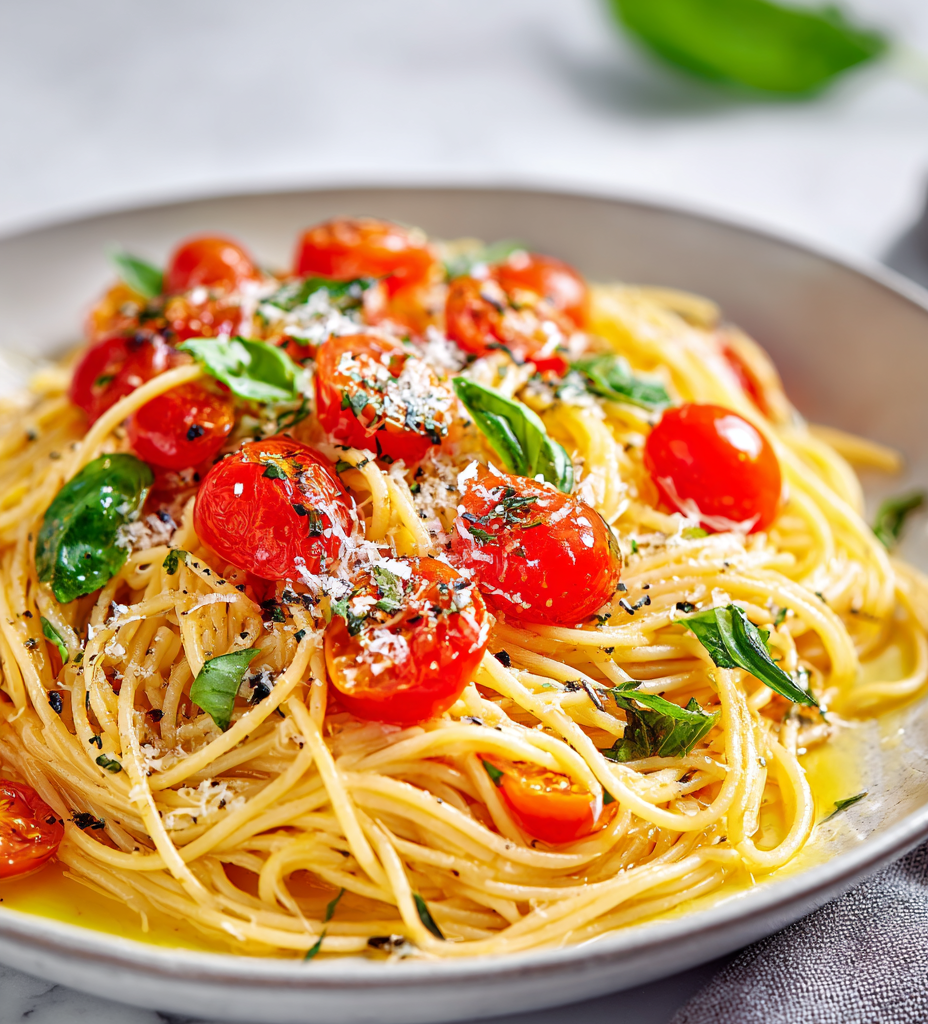

Many recipes overlook the magic of adding fresh basil at the very end, but that final sprinkle can truly lift a simple dish. I’ve found that it’s the small details—like that last burst of herbal brightness—that make all the difference in a bowl of spaghetti. It’s not just about cooking pasta; it’s about capturing that fleeting moment when everything comes together in a fragrant, vibrant splash of flavor.
This dish is my go-to when I want something quick, honest, and full of life. The aroma of ripe tomatoes simmering with garlic, topped off with that fresh basil, always makes my kitchen feel warmer and more welcoming. It’s a reminder that sometimes, the simplest ingredients, treated right, can shine brightest, especially when you’re not rushing or overthinking it.
Focusing on the overlooked importance of fresh basil leaves added at the very end, this recipe highlights how that last burst of herbal brightness can transform simple spaghetti into something unexpectedly vibrant and alive.
The understated power of fresh basil
- Watching a simple pot of spaghetti transform with just fresh basil and good tomatoes is strangely satisfying.
- I’ve always loved how a handful of basil can make the whole dish feel like summer in Italy, even in winter.
- There’s a quiet pride in making something so humble taste bright and alive with just a few ingredients.
- Sometimes, it’s the simplest dishes that remind me of home, of lazy Sundays and shared laughter.
- That burst of herbal green at the end feels like a little secret, a fresh spark that turns ordinary into memorable.
The story behind this recipe
I stumbled onto this recipe one summer evening, just craving something bright and simple after a long day. The aroma of ripe tomatoes, fresh basil, and garlic simmering together always takes me back to my childhood kitchen, where my grandma would toss together similar dishes with whatever was fresh from her garden. It’s funny how these humble ingredients, treated with patience and a little love, can create a dish that feels like a small celebration of summer—and of home. Over the years, I’ve tweaked it here and there, but that core simplicity stays the same, a reminder that sometimes, less really is more.
Historical and Cultural Notes
- This dish traces back to Italy’s simple cucina povera, where humble ingredients created memorable meals.
- Fresh basil, once considered a luxury, became a staple in Italian kitchens by the Renaissance, symbolizing love and good fortune.
- The combination of tomato, basil, and pasta became iconic during Italy’s post-war economic boom, reflecting a desire for affordable, flavorful food.
Ingredient breakdown
- Fresh ripe tomatoes: I love how their juicy, slightly sweet flavor bursts when heated. If yours are bland, add a touch of sugar to brighten the acidity.
- Extra virgin olive oil: I always use good-quality oil for that rich, peppery aroma. If you prefer a milder taste, opt for a lighter oil, but don’t skip it—oil is the flavor base.
- Garlic: I like it sliced thin for quick release of aroma. If you prefer milder garlic, crush it gently and remove once fragrant to avoid bitterness.
- Fresh basil leaves: The green, fragrant herb that makes all the difference. For more vibrancy, tear the leaves instead of chopping—preserves aroma and oils.
- Spaghetti: I prefer al dente, with a slight bite that holds up to the sauce. Use good quality pasta and salt your water generously for flavor from the start.
- Salt & pepper: I season throughout, tasting as I go. A pinch of salt in the sauce enhances sweetness, while freshly cracked pepper adds depth.
- Optional red pepper flakes: Just a pinch for a gentle heat. If you want more punch, add a little at the start to mellow out during cooking.
Spotlight on key ingredients
Fresh basil leaves:
- I love how they release a fragrant, peppery aroma when torn. Their vibrant green brightens the dish instantly.
- Basil’s oils: When torn or crushed, basil releases essential oils that heighten aroma and flavor, essential for that herbal punch.
Ripe tomatoes:
- Tomatoes: Ripe, juicy, and slightly sweet, they break down into a luscious, oozing sauce. The skin can be a bit firm if underripe.
- Tomatoes during cooking: They soften quickly, releasing a fragrant, slightly tangy aroma. Overcooking can turn them mushy—watch your timing.
Notes for ingredient swaps
- Fresh Tomatoes: Ripe, juicy tomatoes are the heart of this dish. If yours are bland, add a pinch of sugar to brighten their natural sweetness.
- Olive Oil: Use a good-quality extra virgin olive oil; it adds richness and aroma. For a milder flavor, opt for a lighter oil, but don’t skip it—oil is essential for flavor base.
- Garlic: Sliced thin for quick aroma release. If you prefer milder garlic, crush lightly and remove after cooking to avoid bitterness.
- Basil: Fresh basil leaves are key. If unavailable, try dried basil—use half the amount, but note it will lack the vibrant green and fresh aroma.
- Spaghetti: Al dente, with a slight bite. You can swap with other long pasta like linguine or bucatini, but cooking times may vary.
- Salt & Pepper: Season throughout. If you prefer a milder approach, reduce salt and use freshly cracked black pepper for depth.
- Red Pepper Flakes: Adds gentle heat. If you want more spice, add at the start; for milder heat, sprinkle at the end.
Equipment & Tools
- Large pot: To boil pasta evenly and quickly.
- Wide skillet or sauté pan: For cooking the sauce and tossing the pasta.
- Tongs or pasta fork: To toss and coat pasta with sauce without breaking noodles.
- Ladle or small measuring cup: To reserve pasta water for adjusting sauce consistency.
Step-by-step guide to spaghetti with tomato and basil
- Bring a large pot of water to a rolling boil, salt generously—like sea water, about 1 tbsp kosher salt per 4 quarts. Add spaghetti and cook until just al dente, about 8 minutes. Drain, reserving 1 cup pasta water.
- While water boils, heat a wide skillet over medium heat—about 160°C/320°F. Add 3 tablespoons of good extra virgin olive oil. When shimmering, add sliced garlic and cook until fragrant, about 1 minute. Do not let it brown or garlic will turn bitter.
- Add chopped fresh tomatoes (about 3 cups) to the skillet. Stir and cook for 8-10 minutes, until they release their juices and start to break down into a chunky sauce. If the sauce thickens too much, splash in reserved pasta water to loosen.
- Taste the sauce and season with salt and freshly cracked black pepper. If you like heat, sprinkle in red pepper flakes now, cooking for another minute to meld flavors.
- Tear fresh basil leaves (about 1/2 cup) and stir into the sauce for the last minute of cooking. The basil should turn a vibrant green and release its aroma, brightening the dish.
- Add cooked spaghetti directly into the sauce, tossing gently to coat evenly. Cook together for 1-2 minutes, allowing flavors to meld. If needed, add more pasta water to reach desired sauce consistency—silky and clinging to the noodles.
- Remove from heat. Taste and adjust seasoning if necessary. For an extra herbal punch, tear in a few more basil leaves just before plating.
Serve immediately on warmed plates. Garnish with a few torn basil leaves for a fresh aroma. No resting needed—this dish is best enjoyed hot and vibrant.
How to Know It’s Done
- Tomatoes are juicy and slightly caramelized, with a fragrant aroma of garlic and basil.
- Pasta is tender but has a slight bite, not mushy, with a salty, flavorful taste from the water.
- Sauce is glossy, thickened slightly, and coats the pasta evenly without pooling.
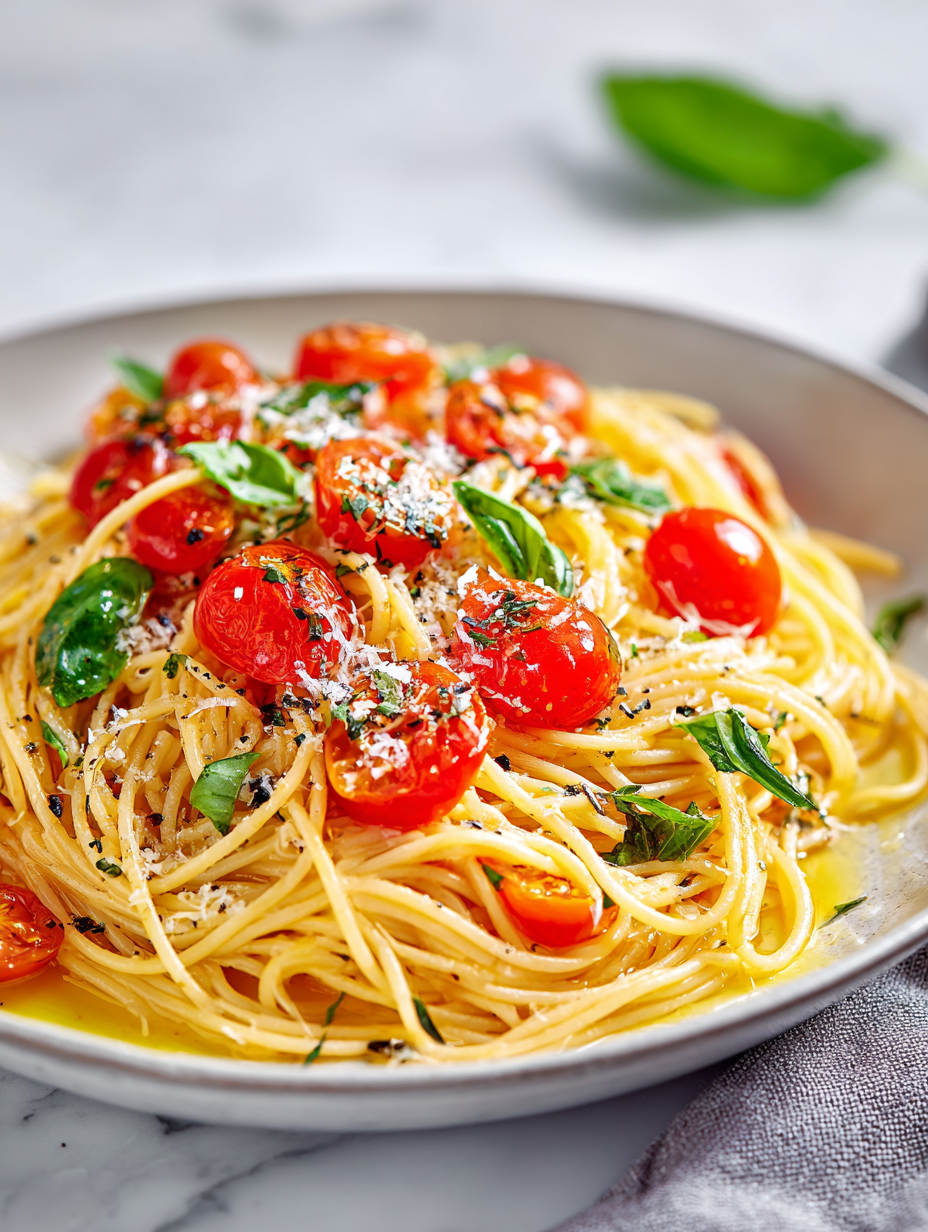
Simple Spaghetti with Fresh Tomato and Basil
Ingredients
Equipment
Method
- Bring a large pot of generously salted water to a rolling boil. Add the spaghetti and cook until just al dente, about 8 minutes. Drain, reserving 1 cup of pasta water, and set aside.
- In a wide skillet over medium heat, pour in the olive oil and let it shimmer. Add the sliced garlic and cook gently for about 1 minute until fragrant, stirring constantly to avoid browning.
- Add the chopped ripe tomatoes to the skillet. Stir and cook for 8-10 minutes, allowing the tomatoes to soften and release their juices, creating a fragrant, slightly chunky sauce. If it thickens too much, splash in some reserved pasta water to loosen it up.
- Taste the sauce and season with salt and freshly cracked black pepper. If you like a bit of heat, sprinkle in red pepper flakes now and cook for another minute to meld the flavors.
- Just before removing from heat, tear the fresh basil leaves and stir them into the sauce. Let them wilt slightly and release their aroma, turning the sauce a vibrant green.
- Add the drained spaghetti directly into the skillet with the sauce. Toss gently with tongs or a fork for about 1-2 minutes to coat the noodles evenly and allow the flavors to meld.
- If the sauce seems too thick or sticky, add a splash of the reserved pasta water and stir until silky and well coated on the noodles. Taste again and adjust seasoning if needed.
- Remove from heat and serve immediately on warm plates, garnished with a few torn basil leaves for extra aroma and visual appeal. Enjoy this bright, simple pasta while it's hot and fragrant.
Pro tips for perfect spaghetti
- Use fresh basil at the end: Tear basil leaves just before adding to preserve their bright aroma and vibrant color.
- Toast garlic lightly: Cook garlic slices until fragrant and golden, avoiding browning to prevent bitterness.
- Reserve pasta water: Keep a cup of starchy water before draining; it helps loosen the sauce and cling to noodles.
- Cook pasta al dente: Test a strand a minute before the minimum time; it should have a slight bite, not mushy.
- Adjust seasoning last: Taste the sauce after adding basil and pasta; tweak with salt or pepper for perfect balance.
- Finish with a quick toss: Combine pasta and sauce in the pan over low heat for 1-2 minutes to meld flavors beautifully.
- Serve immediately: This dish is best enjoyed hot, with fresh basil aroma still alive and the sauce glossy.
Common mistakes and how to fix them
- OVERCOOKED PASTA: Rinse with cold water to halt cooking immediately.
- SOGGY SAUCE: Use less water or cook tomatoes longer for thicker consistency.
- BASIL BLACKENING: Add basil at the very end off heat to keep vibrant color and aroma.
- GARLIC BITTERNESS: Remove garlic once fragrant, don’t let it brown to avoid bitterness.
Quick fixes and pantry swaps
- If sauce is too thick, splash in hot pasta water and stir until silky.
- When basil wilts quickly, add it at the very end for maximum aroma.
- Splash a bit of lemon juice if tomatoes lack brightness.
- Patch overcooked pasta by tossing with fresh herbs and a drizzle of olive oil.
- Shield burnt garlic by removing pan from heat immediately and starting fresh.
Prep, store, and reheat tips
- Chop tomatoes and garlic ahead of time; store in an airtight container in the fridge for up to 24 hours. The aroma will be fresher when you cook.
- Prepare and measure basil leaves; keep them loosely wrapped in a damp paper towel inside a zip-top bag for up to a day. Basil loses its vibrancy quickly, so add just before serving.
- Cook spaghetti until al dente, then toss with a teaspoon of olive oil to prevent sticking. Store in an airtight container in the fridge for up to 1 day; reheat briefly in boiling water or microwave.
- The sauce can be made a few hours in advance. Store in a sealed jar or container in the fridge for up to 24 hours. Reheat gently over low heat, stirring, until fragrant and warmed through—watch for separation, stir if needed.
- Reheating the dish will mellow some of the fresh brightness. To revive, stir in a splash of fresh olive oil or a tiny squeeze of lemon juice just before serving, and top with fresh basil for aroma.
Top questions about spaghetti with tomato and basil
1. Why add basil at the end?
Fresh basil added at the end keeps its bright green color and fragrant aroma, making the dish feel lively and fresh.
2. How do I know when the pasta is perfectly cooked?
Overcooked pasta becomes mushy and loses its bite, so keep an eye on the timer and taste for doneness.
3. Can I substitute olive oil with another oil?
Using good-quality olive oil enhances the aroma and flavor, making the sauce richer and more vibrant.
4. How long should I cook the tomatoes?
Cooking tomatoes until they break down creates a thick, flavorful sauce. Too long, and they might turn to mush.
5. Should I chop or tear the basil leaves?
Tearing basil releases more aroma than chopping, preserving its vibrant green and fragrant oils.
6. Why save pasta water?
Reserve some pasta water before draining; it’s starchy and helps loosen the sauce if it gets too thick.
7. When should I taste and adjust the seasoning?
Season the sauce gradually, tasting as you go. It’s easier to fix salt and spice levels this way.
8. How do I cook garlic without burning it?
Cooking garlic gently in oil prevents it from burning and turning bitter, releasing a warm, fragrant aroma.
9. Can I make this ahead?
This dish is best served immediately, while the basil aroma is fresh and the sauce is glossy.
10. What if my sauce is too thick?
If the sauce thickens too much, splash in a little hot pasta water and stir until smooth.
This simple pasta dish feels like a small act of rebellion—showing that fresh ingredients and a bit of care turn everyday meals into something memorable. The scent of basil and garlic, the pop of ripe tomatoes—these are the little moments that reconnect me to the seasons and the kitchen.
In busy times, it’s a dish I come back to because it’s honest, quick, and honest about what good food should be—pure, flavorful, and rooted in tradition. No fuss, no fussiness, just a bowl of spaghetti that tastes like summer and home all at once.

Hi there! I’m Isabella, the founder and curious foodie behind Crumb Detective. I’ve always believed that every dish has a story to tell — from the secret family recipes passed down through generations to the bold experiments happening in kitchens around the world.