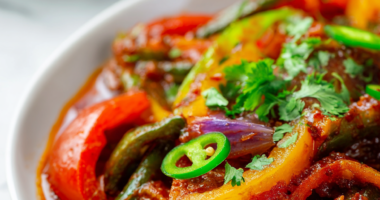
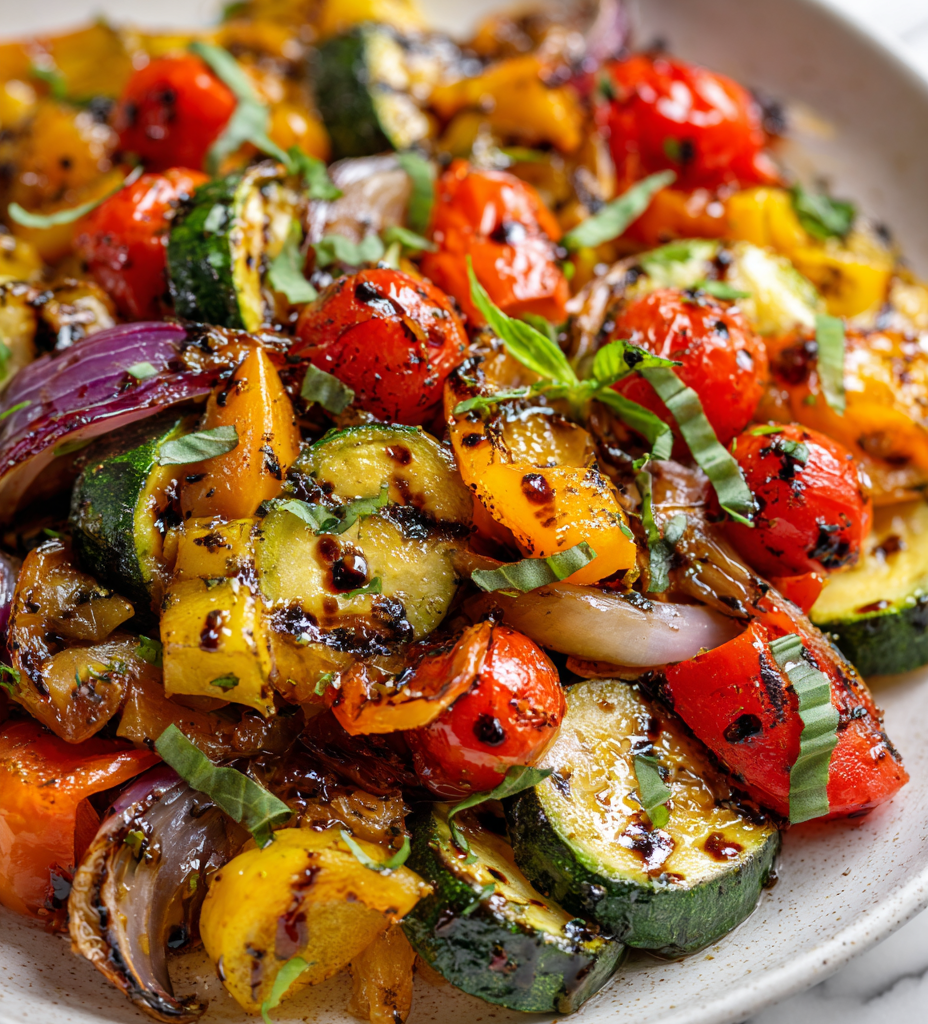

This vegetable skillet is all about embracing the beauty of imperfection. Each piece of vegetable caramelizes at its own pace, creating a mosaic of charred bits and tender edges that feel rustic and honest. It’s a reminder that not everything in the kitchen needs to be perfectly uniform to taste incredible.
I love how this dish invites a bit of chaos—popping vegetables into a hot pan, watching them brown and soften, and adjusting as you go. It’s a forgiving way to cook, where the visual imperfections only add to the flavor and character. Plus, it’s a quick, honest way to throw together something nourishing on busy nights.
Focusing on the beauty of imperfect, charred vegetable pieces that caramelize at different rates, turning a simple skillet into a mosaic of textures and flavors, highlighting the rustic charm of cooking in a single pan.
Celebrating Imperfect Caramelization
- Watching the vegetables brown unevenly, I realized beauty is in their imperfections, just like life.
- The smell of caramelized garlic and smoky peppers always sparks a moment of pride in my kitchen.
- There’s a rush in tossing everything into the skillet, chaos turned into comfort through simple, honest cooking.
- A plate of this reminds me of family dinners—no fuss, just vibrant flavors and shared laughs.
- Sometimes I feel a quiet joy seeing those charred edges, a little reminder that patience turns good into great.
The story behind this recipe
- This vegetable skillet came about during a busy week when I needed something fast, honest, and flexible. I threw in whatever was lingering in the fridge—peppers, zucchini, a lonely sweet potato—and let the heat do its thing. Watching those vegetables char and soften at different speeds made me realize how much beauty there is in their uneven edges, in their rustic charm.
- It’s a dish that celebrates imperfection—each bite a little mosaic of smoky, caramelized bits and tender, sweet patches. I love how it encourages you to be present, to notice the small differences that turn a simple skillet into a story of flavor and texture. It’s become my go-to for nights when I want nourishing, no-fuss food that feels honest and satisfying.
- heading
Trivia and historical roots
- The concept of skillet cooking dates back to early cast iron traditions, where everything from bread to vegetables was cooked in a single pan.
- Vegetable skillet dishes gained popularity in rustic European kitchens, emphasizing simplicity and the beauty of caramelized, charred edges.
- In many cultures, cooking vegetables in a single pan was a practical way to slow-cook and preserve flavors without extra tools.
- This style of rustic, imperfect vegetable cooking celebrates the natural caramelization process, which intensifies sweetness and adds depth.
- Modern versions often draw from Mediterranean and Middle Eastern flavors, emphasizing vibrant, smoky, and hearty vegetable combinations.
Ingredient breakdown
- Bell peppers: I love the sweet, smoky aroma they give off when charred—try red for vibrant color or yellow for a milder flavor, but don’t skip the crisp-tender bite.
- Zucchini: Its tender, slightly chewy texture contrasts beautifully with charred edges; slice thick so it doesn’t turn to mush too quickly, but skip if you dislike the watery texture.
- Sweet potato: I toss in small cubes for sweetness and sturdy texture; roasting brings out a caramel note that makes the dish pop—use regular potatoes as a quick substitute if needed.
- Garlic: I add minced garlic towards the end for a fragrant, slightly nutty aroma; if you prefer milder garlic, roast it whole first, then chop and toss in.
- Olive oil: I use a good extra virgin for a fruity, rich base that helps vegetables brown evenly; if you want a lighter dish, swap with avocado oil, which still shimmers beautifully under heat.
- Salt & pepper: I season generously during cooking, but taste as you go—sometimes a pinch of finishing salt elevates the caramelized bits, especially if you’re using sweeter vegetables.
- Fresh herbs (optional): I sprinkle chopped parsley or thyme at the end for a fresh, bright note—dried herbs work too, but add them earlier to mellow their flavor.
Spotlight on key ingredients
Bell peppers:
- I love the sweet, smoky aroma they give off when charred—try red for vibrant color or yellow for a milder flavor, but don’t skip the crisp-tender bite.
- Zucchini: Its tender, slightly chewy texture contrasts beautifully with charred edges; slice thick so it doesn’t turn to mush too quickly, but skip if you dislike the watery texture.
Sweet potato & Garlic:
- Sweet potato: I toss in small cubes for sweetness and sturdy texture; roasting brings out a caramel note that makes the dish pop—use regular potatoes as a quick substitute if needed.
- Garlic: I add minced garlic towards the end for a fragrant, slightly nutty aroma; if you prefer milder garlic, roast it whole first, then chop and toss in.
Notes for ingredient swaps
- Dairy-Free: Use coconut milk or omit altogether; will alter creaminess but keep the dish vibrant.
- Vegan: Swap honey for maple syrup or skip sweeteners; keep the natural sweetness intact without animal products.
- Gluten-Free: Ensure soy sauce is gluten-free or replace with coconut aminos for a similar umami punch.
- Nut-Free: Skip any added nuts or nut-based oils; focus on the natural flavors of vegetables and herbs.
- Low-Sodium: Use less salt or substitute with herbs and spices for flavor without added salt.
- Herb Variations: Fresh basil or cilantro can replace parsley; each adds a different, bright aromatic note.
- Oil Choices: Swap olive oil for avocado or sunflower oil; maintains good heat tolerance and neutral flavor.
Equipment & Tools
- Large cast-iron skillet: Provides even heat for caramelization and rustic browning.
- Chef’s knife: Chops vegetables into rustic, uneven pieces.
- Wooden spoon or spatula: Stirs vegetables without damaging their surface.
- Measuring spoons: Ensures accurate seasoning and garlic quantity.
Step-by-step guide to vegetable skillet
- Gather all vegetables: bell peppers, zucchini, sweet potato, garlic, and any herbs you like. Prep by chopping into uneven, rustic chunks—don’t worry about perfect sizes, just aim for bite-sized pieces that will caramelize nicely.
- Heat a large cast-iron skillet over medium-high heat, about 200°C (390°F). Add a generous splash of olive oil—enough to shimmer and coat the pan.
- Add the sweet potato first, spread out in a single layer. Cook for about 8 minutes, stirring occasionally, until edges start to brown and smell sweet. If sticking, add a little more oil.
- Toss in the bell peppers and zucchini. Continue cooking for another 5-7 minutes. The peppers should char slightly, and zucchini edges should turn golden and tender. Adjust heat if vegetables are browning too fast or sticking.
- Add minced garlic in the last minute, stirring quickly until fragrant. Be careful not to burn it; the smell of toasted garlic signals it’s ready.
- Season generously with salt and pepper during cooking. Taste and adjust—sometimes a pinch of finishing salt at the end makes all the difference.
- Once vegetables are tender with smoky charred bits, remove from heat. Let sit for 2 minutes to allow flavors to settle and excess moisture to evaporate.
- Finish with a sprinkle of fresh herbs if using. Serve directly from the pan, or transfer to a warm plate for a rustic presentation.
Let the vegetables rest for 2 minutes after cooking. Finish with fresh herbs if desired, then serve straight from the pan or transfer to a platter for a rustic look.
How to Know It’s Done
- Vegetables are evenly caramelized with golden, slightly charred edges.
- Sweet potato is soft but not mushy, with a slight jiggle when tested with a fork.
- Garlic is fragrant and slightly toasted, not bitter or burnt.
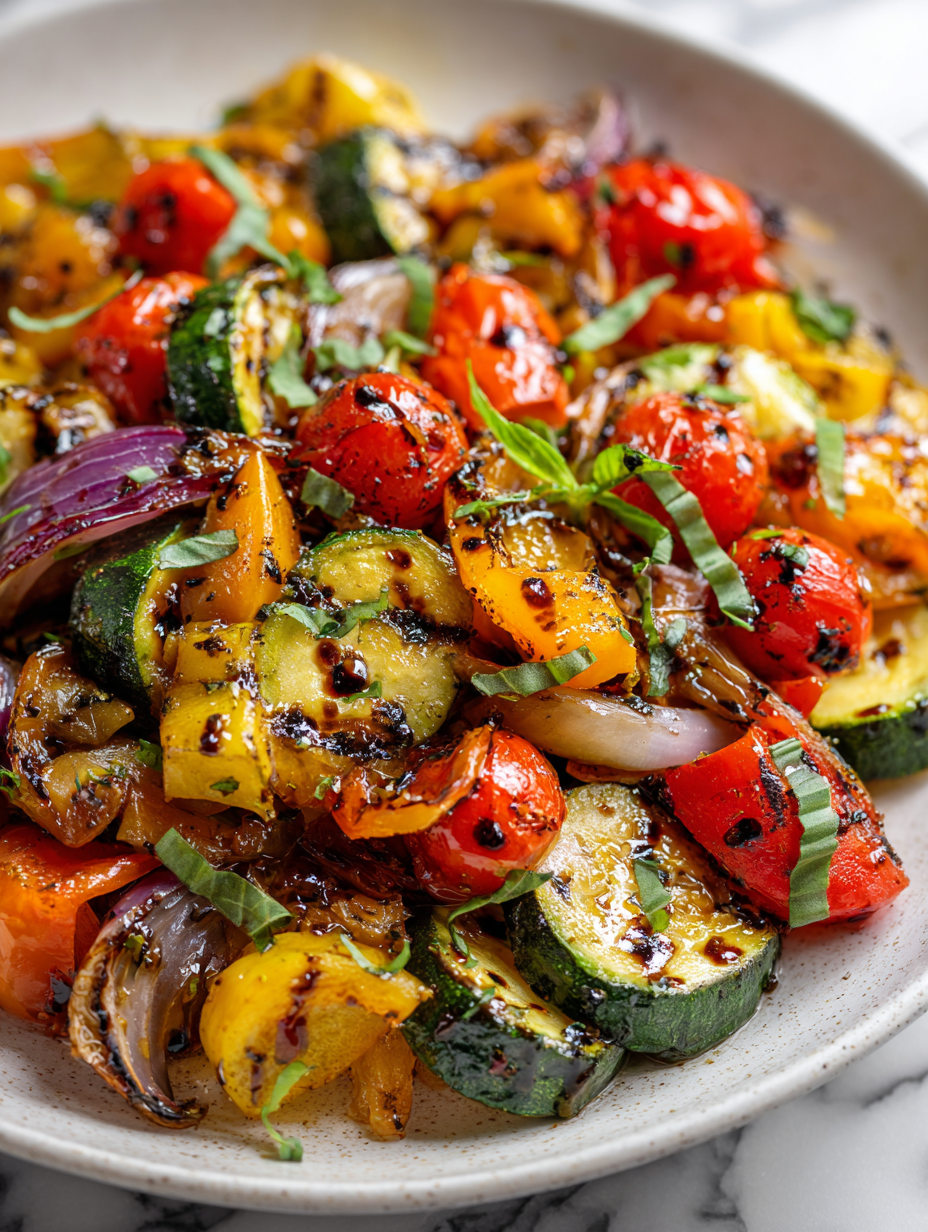
Rustic Caramelized Vegetable Skillet
Ingredients
Equipment
Method
- Prep all your vegetables by chopping the bell peppers, zucchini, and sweet potato into rustic, uneven chunks. Set aside.
- Heat your large cast-iron skillet over medium-high heat until it’s hot and shimmering. Pour in the olive oil, swirling to coat the bottom evenly.
- Add the sweet potato cubes to the skillet in a single layer. Let them cook undisturbed for about 8 minutes, listening for a gentle sizzle, until the edges start to brown and smell sweet.
- Toss in the bell peppers and zucchini, spreading them out evenly. Continue cooking, stirring every few minutes, for another 5-7 minutes until the vegetables develop golden, slightly charred edges and become tender.
- Add the minced garlic to the skillet during the last minute of cooking. Stir quickly until fragrant and slightly toasted, about 30 seconds to a minute.
- Season generously with salt and pepper, tasting as you go. Continue cooking until all vegetables are caramelized with smoky, charred spots, and tender inside.
- Remove the skillet from heat and let it sit for a couple of minutes to allow flavors to settle and juices to redistribute.
- Sprinkle freshly chopped herbs over the top for a bright, fresh contrast. Serve directly from the skillet for a rustic presentation or transfer to a plate.
Pro tips for perfect vegetable skillet
- Use high heat to quickly develop smoky, caramelized edges without steaming the vegetables.
- Keep vegetables in a single layer; overcrowding causes steaming instead of charring.
- Add garlic towards the end to prevent burning and preserve its fragrant, nutty aroma.
- Stir occasionally but not too often—allow time for the vegetables to brown and develop flavor.
- Use a splash of water or broth if vegetables start to stick or burn, then cook with a lid briefly.
- Finish with a pinch of finishing salt or fresh herbs to heighten the caramelized flavors.
- Rest the skillet off heat for a minute before serving to let flavors settle and juices redistribute.
Common mistakes and how to fix them
- FORGOT to preheat the pan → Always heat pan before adding vegetables.
- DUMPED too much oil → Use enough oil to shimmer, not drown the vegetables.
- OVER-TORCHED the garlic → Add garlic late to prevent burning and bitterness.
- UNDERSALTED at the end → Taste and season in stages for balanced flavor.
Quick fixes and pantry swaps
- When vegetables stick, splash a bit of water to loosen and prevent burning.
- If vegetables are too soggy, increase heat and cook without stirring for a crispy edge.
- Splash a dash of lemon juice to brighten dull flavors or to rescue over-salted dishes.
- Patch burnt bits by scraping them out and adding fresh oil and vegetables for a fresh char.
- Shield wilting greens with a quick splash of broth; adds moisture and revives color and texture.
Prep and store tips
- Chop vegetables a day ahead and store in an airtight container in the fridge; they stay crisp and colorful for up to 24 hours.
- Cooked vegetables can be refrigerated for up to 3 days; reheat in a hot skillet until sizzling and fragrant, about 2-3 minutes, until charred edges reappear.
- For best flavor, add fresh herbs just before serving; they lose potency if stored too long with the cooked vegetables.
- If freezing, spread cooked vegetables on a baking sheet to freeze individually for 1-2 hours, then transfer to a bag; reheat directly from frozen for a slightly softer texture.
- Reheated skillet vegetables will lose some crispness but will still carry that smoky, caramelized aroma, so don’t overdo it—just heat until hot and fragrant.
Top questions about Vegetable Skillet
1. How do I prevent vegetables from steaming instead of browning?
Use a large enough skillet to give vegetables space to brown evenly. Overcrowding causes steaming, not caramelization.
2. When should I add garlic to the skillet?
Add the garlic in the last minute of cooking, just until fragrant, to avoid burning and bitterness.
3. How often should I stir the vegetables?
Stir the vegetables every few minutes, but let them sit undisturbed enough to develop a charred, smoky crust.
4. What temperature is best for cooking this vegetable skillet?
Use high heat—around 200°C (390°F)—to quickly develop caramelized edges without turning vegetables mushy.
5. Which vegetables work best for this recipe?
Choose firm, colorful vegetables with good natural sweetness—zucchini, peppers, sweet potato—and chop into uneven, rustic pieces.
6. How do I season the vegetables properly?
Adjust seasoning as you cook; taste frequently and add salt, pepper, or herbs in stages for balanced flavor.
7. How should I reheat leftovers?
Reheat in a hot skillet until sizzling, about 2-3 minutes, to revive smoky, caramelized flavors and crispy edges.
8. What if my vegetables stick to the pan?
If vegetables stick, splash a little water or broth to loosen and prevent burning; scrape off charred bits if necessary.
9. How can I fix dull flavors in the dish?
Use a splash of lemon juice or vinegar at the end to brighten flavors if they taste dull or flat after cooking.
10. When should I add herbs or toppings?
For extra crunch, sprinkle fresh herbs or toasted nuts just before serving, but add herbs at the end for maximum flavor.
This skillet keeps me grounded in honest cooking—no fuss, just vegetables caramelized to their imperfect, smoky best. It’s a dish that celebrates the quirks of each vegetable, turning chaos into a mosaic of flavor and texture. Sometimes, the simplest meals are the most honest reflections of a busy life.
And honestly, it’s a reminder that beauty in food isn’t about perfection but about embracing those charred edges and uneven caramelization. A few minutes more in the pan, and you’re rewarded with something rich, tender, and unexpectedly charming. It’s the kind of dish I keep coming back to when I need nourishment that’s straightforward and deeply satisfying.

Hi there! I’m Isabella, the founder and curious foodie behind Crumb Detective. I’ve always believed that every dish has a story to tell — from the secret family recipes passed down through generations to the bold experiments happening in kitchens around the world.