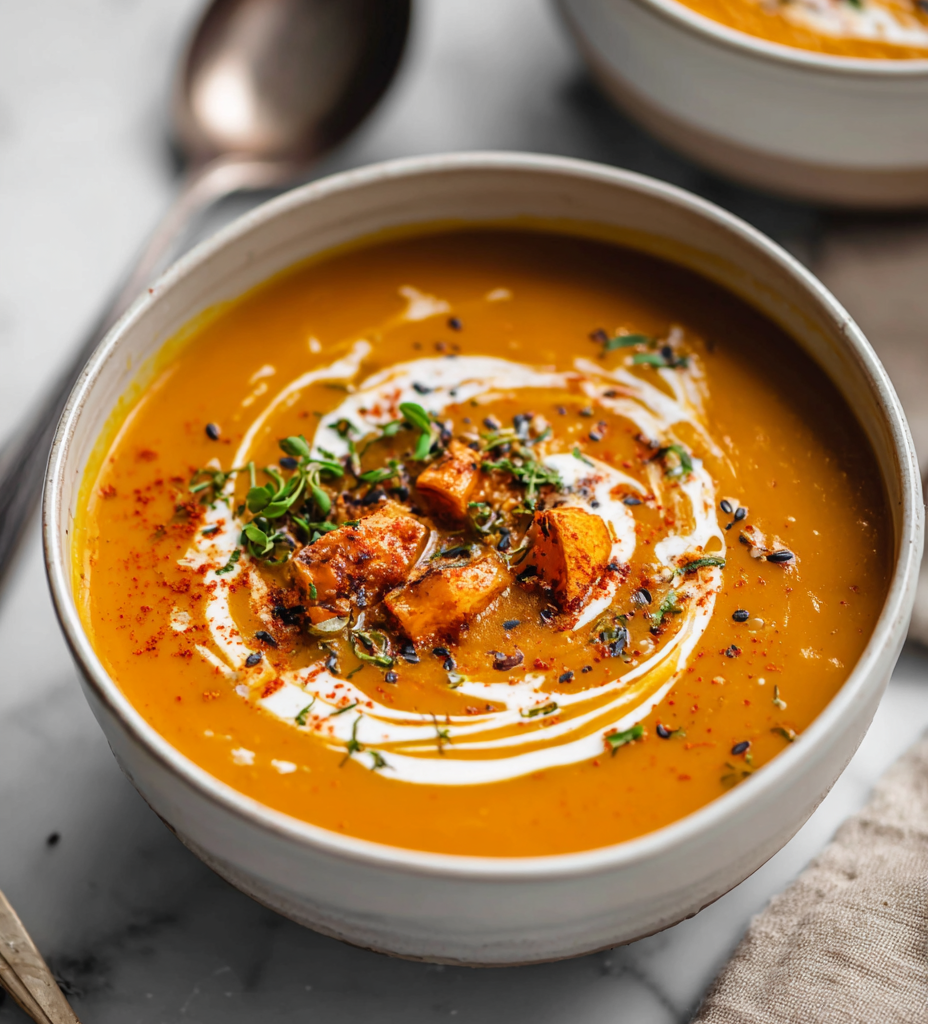

Cooking this sweet potato carrot soup in a cast iron Dutch oven isn’t just about tradition; it’s about capturing a deeper, smoky sweetness that I swear you can taste in every spoonful. The cast iron’s slow, even heat gently caramelizes the natural sugars in the veggies, making the broth richer and more complex than when cooked in a regular pot. It’s a small change, but it makes a noticeable difference, especially on chilly days when you want your food to feel like a warm hug from the oven itself.
There’s something satisfying about turning simple ingredients into something that feels almost special. I’ve learned that the way the vegetables crackle and soften in the cast iron—getting that little bit of smoky char—adds a layer of flavor that’s hard to replicate. Plus, the slow simmer helps the flavors meld into a velvety, vibrant soup that’s perfect for making ahead or serving straight from the pot, guilt-free.
Choosing to cook this soup in a cast iron Dutch oven changes the flavor profile, adding a subtle smoky depth that many recipes overlook. I’ve found that the slow, even heat enhances the sweetness of the carrots and sweet potatoes, making every spoonful richer and more layered than when cooked in a standard pot.
Unexpected sweetness boost from cast iron
- Cooking this in a cast iron makes me feel like I’m giving the veggies a smoky hug, which is unexpected but so welcome.
- There’s a quiet pride in turning simple ingredients into a velvety, flavorful soup that feels like a warm memory in every spoonful.
- I love how the natural sweetness of carrots and sweet potatoes gets amplified by the slow, even heat—it’s almost like the soup is caramelized from within.
- This recipe reminds me of cozy weekends and making something nourishing that’s just as good for leftovers as it is fresh.
The story behind this recipe
- This soup started as a way to use up a bunch of carrots and sweet potatoes I had lying around after a particularly chaotic grocery haul. I wanted something honest, warming, and with a bit of unexpected sweetness that could brighten up a dull winter day. It’s funny how simple ingredients can surprise you when cooked with a little patience and a good pinch of curiosity.
- The real inspiration hit when I accidentally caramelized a batch of carrots in my cast iron skillet—smoky, sweet, almost like a treat. I thought, why not turn that into a soup? Now, every time I make this, I remember how a tiny mistake led to something I crave on cold mornings and rushed evenings alike.
- heading
- story_type
Historical & Cultural Tidbits
- Sweet potato and carrot soups have roots in rustic, peasant cooking traditions across Eastern Europe and the Mediterranean, where root vegetables were staples for their long shelf life and hearty flavor.
- The combination of sweet potato and carrot became popular in modern kitchens as a health-conscious choice, boosting vitamin A and fiber intake during colder months when fresh greens are scarce.
- Historically, sweet potatoes were first cultivated in Central and South America and only later adopted in European and Asian cuisines, making their way into soups as a symbol of global culinary exchange.
Key ingredients and tips
- Sweet potato: I love how their natural sugars caramelize and become velvety when roasted. Skip roasting if you’re in a rush; just dice and simmer, but the flavor won’t be as deep.
- Carrots: Their bright, earthy sweetness is the backbone here. Use fresh, firm carrots for the best flavor, and don’t forget to peel—those skins can add a bitter note if tough.
- Onion: It’s the flavor base that makes everything richer. Sauté until translucent and fragrant—if they turn too dark, the soup gets bitter, so keep an eye on the color.
- Garlic: Adds a punch of aroma. Crush and sauté just until fragrant—overcooking can turn it bitter, which isn’t what we want in this mellow soup.
- Vegetable broth: I prefer homemade for depth, but store-bought works fine. Look for low-sodium so you can control the salt—aim for a gentle simmer, not a boil, to keep flavors balanced.
- Olive oil: Use good quality for sautéing; it adds a subtle fruity note. If you want a richer soup, a splash of cream can be stirred in at the end, but I like it pure.
- Salt & pepper: Essential for bringing out sweetness and balancing flavors. Taste as you go—over-salting can mask the natural goodness of the veggies.
Spotlight on key ingredients
Sweet Potato:
- I love how their natural sugars caramelize and become velvety when roasted. Skip roasting if you’re in a rush; just dice and simmer, but the flavor won’t be as deep.
- Carrots: Their bright, earthy sweetness is the backbone here. Use fresh, firm carrots for the best flavor, and don’t forget to peel—those skins can add a bitter note if tough.
Carrots:
- Their vibrant, earthy sweetness deepens as they cook, releasing a fragrant aroma that fills the kitchen. Choosing fresh, crisp carrots ensures a lively flavor in every spoonful.
- Onion: It’s the flavor base that makes everything richer. Sauté until translucent and fragrant—if they turn too dark, the soup gets bitter, so keep an eye on the color.
Notes for ingredient swaps
- Dairy-Free: Swap cream for coconut milk or omit altogether for a lighter, subtly sweet flavor.
- Vegetable Broth: Use chicken broth if you prefer a richer, more savory base—just watch the salt levels.
- Sweet Potatoes: Regular white potatoes can stand in, but they’ll lack that natural sweetness and vibrant color.
- Carrots: Parsnips or parsnip puree add a similar earthy sweetness and creaminess with a slightly different aroma.
- Olive Oil: Avocado oil or melted butter can be used for sautéing—each adds a different richness and aroma.
- Herbs & Spices: Fresh thyme or a pinch of smoked paprika can change the flavor profile—try what feels right for your palate.
- Sweetener: A touch of honey or maple syrup can enhance sweetness if your veggies aren’t quite sweet enough, but taste first.
Equipment & Tools
- Heavy-bottomed pot or Dutch oven: For sautéing and simmering the soup evenly.
- Blender or immersion blender: To puree the cooked vegetables into a smooth consistency.
- Baking sheet: For roasting the vegetables to develop sweetness and flavor.
- Sharp knife: For peeling and chopping vegetables safely.
Step-by-step guide to making the soup
- Gather all equipment: a large heavy-bottomed pot or Dutch oven, a blender or immersion blender, and a sharp knife. Preheat your oven to 200°C (390°F) if roasting the vegetables.
- Peel and roughly chop 2 large sweet potatoes and 3 carrots into uniform pieces, about 2-3 cm (1 inch) thick. Toss with a tablespoon of olive oil and spread on a baking sheet. Roast for 25-30 minutes until caramelized and tender, stirring halfway through.
- While veggies roast, peel and dice 1 large onion. Mince 3 cloves of garlic.
- In your pot, heat 2 tablespoons of olive oil over medium heat (about 160°C/320°F). Add the onion and sauté for 5-7 minutes, until translucent and fragrant. Add garlic and cook for 30 seconds more, until just golden.
- Add the roasted sweet potatoes and carrots to the pot. Pour in 4 cups (1 liter) of vegetable broth. Bring to a gentle simmer over medium heat, about 10 minutes. If you didn’t roast, add raw veggies now and simmer until soft, about 20 minutes.
- Use an immersion blender directly in the pot or transfer to a regular blender in batches. Puree until smooth and velvety, about 1-2 minutes. If the soup is too thick, stir in a splash more broth or water until it reaches your preferred consistency.
- Taste and adjust seasoning with salt and pepper. If you like a hint of heat, a pinch of cayenne works well. Reheat gently if needed, but avoid boiling.
- Pour into bowls, garnish with a drizzle of olive oil or a sprinkle of herbs if desired. Serve hot, with crusty bread if you like.
Let the soup rest for 2-3 minutes after blending. Serve hot directly from the pot, garnished as desired. For an extra touch, drizzle with olive oil or a sprinkle of herbs before serving.
How to Know It’s Done
- Vegetables are tender and caramelized when roasted; they should be lightly browned and soft.
- The soup is smooth and velvety, with no chunks remaining when pureed.
- A gentle simmer, not a boil, keeps flavors balanced and prevents over-reduction.

Smoky Sweet Potato Carrot Soup
Ingredients
Equipment
Method
- Preheat your oven to 200°C (390°F). Peel and chop the sweet potatoes and carrots into uniform pieces, then toss them with a tablespoon of olive oil. Spread on a baking sheet and roast for 25-30 minutes until caramelized and tender, stirring halfway through. The aroma of sweet, roasted vegetables will fill your kitchen.
- While the vegetables roast, peel and dice the onion. Mince the garlic cloves. In your Dutch oven, heat a tablespoon of olive oil over medium heat until it shimmers and begins to gently crackle.
- Add the diced onion to the hot oil and sauté for about 5-7 minutes, until translucent and fragrant. The onion should turn a soft, golden color, releasing a sweet aroma that signals it’s ready.
- Stir in the minced garlic and cook for just 30 seconds, until fragrant but not browned. Now, add the roasted sweet potatoes and carrots to the pot, stirring gently to combine all the flavors.
- Pour in the vegetable broth, ensuring the vegetables are mostly covered. Bring the mixture to a gentle simmer over medium heat, and let it cook for about 10 minutes. The vegetables will soften further, releasing their sweet, smoky aroma.
- Use an immersion blender directly in the pot or carefully transfer the soup in batches to a blender. Puree until smooth and velvety, about 1-2 minutes. The soup should be thick, glossy, and vibrant orange in color, with no chunks remaining.
- Taste the soup and season with salt and freshly ground pepper. Adjust the seasoning until balanced—enhancing the natural sweetness without overpowering it. Reheat gently if needed, avoiding boiling.
- Serve the soup hot in bowls, drizzled with a little olive oil or garnished with fresh herbs if desired. The final dish should be silky, warm, and inviting — perfect for cozy moments and chilly days.
Notes
Tips & Tricks for Perfect Soup
- Use a heavy-bottomed pot to prevent hot spots and ensure even cooking, especially during simmering.
- Roast the vegetables until caramelized for a richer, sweeter flavor that adds depth to the soup.
- Puree the soup while still warm for a smoother texture and to prevent ingredients from clumping.
- Season gradually and taste often—salt enhances sweetness, but too much can overpower the delicate flavors.
- If the soup thickens too much after blending, stir in a little hot broth to loosen it without losing creaminess.
- For an extra layer of flavor, add a splash of apple cider vinegar or lemon juice just before serving to brighten the taste.
- Use an immersion blender for quick, easy pureeing directly in the pot—less cleanup and no transfer needed.
Common mistakes and how to fix them
- FAILED TO REMOVE SKINS: Peel carrots thoroughly; skins can add bitterness and dull flavor.
- OVER-ROASTED VEGGIES: Watch for dark edges; burnt bits taste bitter, so keep an eye on timing.
- USED TOO MUCH OIL: Excess oil can make the soup greasy; use just enough for sautéing.
- SKIPPED BLENDING STEP: For a smooth soup, blend thoroughly until velvety, no chunks remain.
Fast fixes for soup perfection
- If it’s bland, splash in a dash of lemon juice to brighten the flavors.
- When soup is too thick, gently stir in hot broth until it shimmers and reaches your preferred consistency.
- Splash a tiny bit of vinegar if the sweetness needs a subtle kick to balance the richness.
- Patch burnt spots by removing them carefully; add a splash of water and continue simmering gently.
- When the soup turns watery, simmer uncovered for a few minutes to deepen the flavor and thicken slightly.
Prep, store, and reheat tips
- Peel and chop the sweet potatoes and carrots ahead of time; store in an airtight container in the fridge for up to 2 days to keep them fresh and ready for roasting or simmering.
- Roasting the vegetables can be done a day in advance; cool and refrigerate, then gently reheat or add directly to the simmering pot. The smoky caramelized flavor develops even after cooling.
- Pureed soup can be made a day ahead; cool completely, then store in a covered container in the fridge for up to 3 days. Reheat gently over low heat, stirring occasionally, until steaming—sensory cue: fragrant warmth and slight shimmer on the surface.
- For longer storage, freeze in portions for up to 3 months. Thaw overnight in the fridge, then reheat on the stove, adjusting the consistency with a splash of broth or water. Expect flavors to deepen slightly after freezing.
- Reheating the soup: warm on low to medium heat, stirring often. Check for a velvety texture and a balanced, sweet-savory aroma before serving. If it thickens too much, add a touch more broth to loosen.
Top questions about Sweet Potato Carrot Soup
1. Should I peel the vegetables?
Peeling the carrots and sweet potatoes helps the soup become smoother and more even. If you prefer a rustic feel, you can leave the skins on, but expect a slightly earthier flavor and a bit more texture.
2. Can I skip roasting the vegetables?
Roasting the veggies caramelizes their sugars, adding depth and a smoky sweetness. If you’re in a hurry, boiling or simmering works, but the flavor won’t be as rich.
3. How do I get a smooth texture?
Pureeing the soup makes it silky and smooth. Use an immersion blender directly in the pot for convenience, or carefully transfer hot soup to a blender in batches, then blend until velvety.
4. How can I brighten the flavor?
A splash of lemon juice or vinegar brightens the soup, balancing the sweetness and adding a fresh note. Add a teaspoon at a time, tasting after each addition.
5. How should I store leftovers?
Storing in airtight containers in the fridge for up to 3 days works well. For longer, freeze in portions for up to 3 months. Reheat gently on the stove, stirring often.
6. What if the soup is too thick?
If the soup is too thick after blending, stir in a little hot broth or water until you reach your desired consistency. It should shimmer lightly and feel velvety when stirred.
7. When should I season the soup?
Adjust seasoning gradually, tasting as you go. Salt enhances sweetness, but too much can mask the delicate flavors. Remember to season after blending for best results.
8. Can I customize the spices?
Adding a pinch of smoked paprika or fresh herbs like thyme can introduce new flavor layers. Experiment according to your preference, but keep it subtle so the veggies shine.
9. What equipment do I need?
Use a heavy-bottomed pot to prevent burning and ensure even cooking. A good-quality blender makes pureeing easier and more consistent.
10. What if I burn the veggies?
If you accidentally burn the vegetables, discard that batch, start fresh, and keep the heat lower next time. Burnt bits add bitterness that’s hard to fix once in the soup.
This soup isn’t just a cozy bowl; it’s a reminder that simple ingredients, treated with a little patience, can surprise you with their depth of flavor. The smoky undertones and velvety texture make it a satisfying choice when you need warmth without fuss.
In times when comfort food feels necessary but also nourishing, this dish hits the spot. It’s honest, straightforward, and perfect for making ahead or savoring fresh—whichever suits your day. Sometimes, the best meals are the ones that feel like a small, quiet achievement.

Hi there! I’m Isabella, the founder and curious foodie behind Crumb Detective. I’ve always believed that every dish has a story to tell — from the secret family recipes passed down through generations to the bold experiments happening in kitchens around the world.