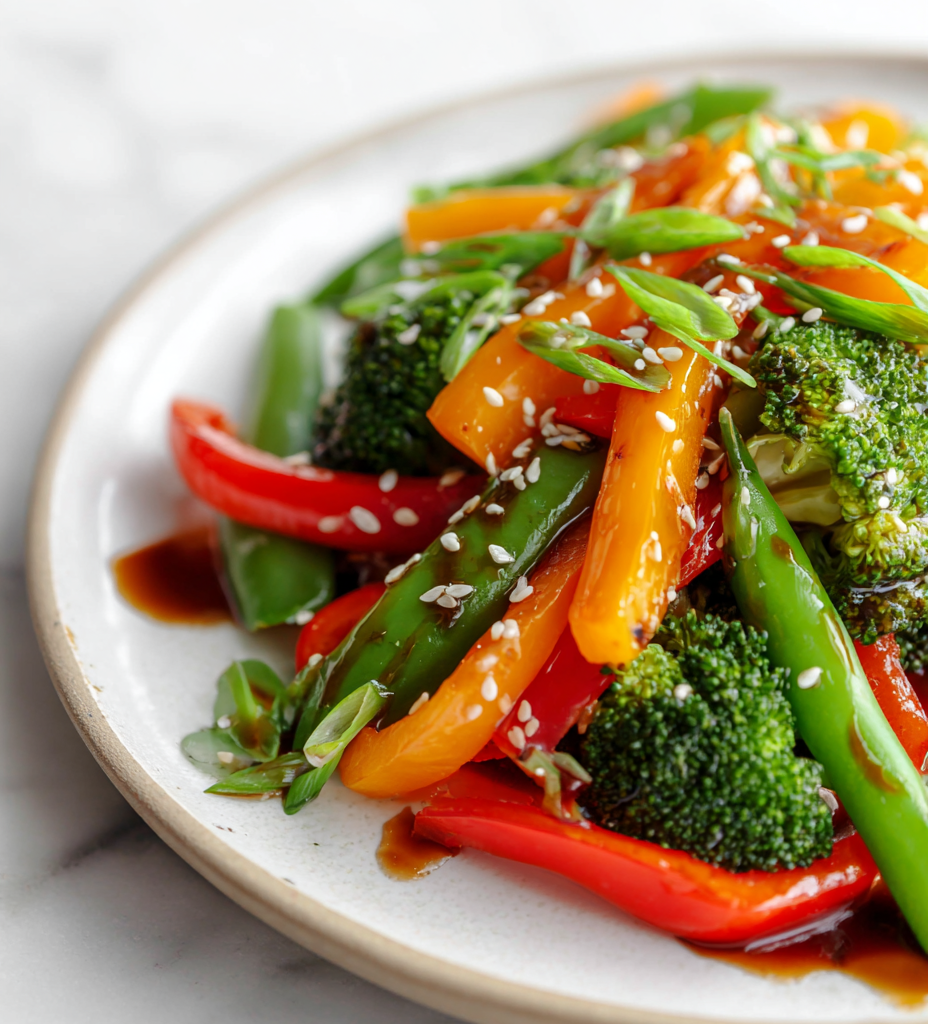

This vegetable teriyaki recipe is my go-to when the week gets hectic and I need something honest and quick. It’s all about using simple, everyday ingredients—whatever vegetables I have on hand—and turning them into something flavorful without fuss. The magic lies in a balanced sauce that’s sweet, salty, and just a little smoky, all coming together in under 30 minutes.
I’ve learned to keep my pantry stocked with soy, mirin, and a splash of sesame oil because those little bottles transform humble veggies into a satisfying meal. It’s a reminder that good food doesn’t have to be complicated or time-consuming. Sometimes, the best dinners are the ones that come together with a handful of ingredients and a quick stir-fry.
This dish isn’t just about speed; it’s about respecting the natural flavor of vegetables and letting them shine. It’s perfect for busy nights when you want something nourishing, honest, and a little bit flavorful—no takeout required, just a skillet and a moment of focus.
Focusing on how this vegetable teriyaki recipe can be a quick, honest fix for busy weeknights, emphasizing the importance of simple ingredients and straightforward techniques that bring out the best in humble vegetables without fuss.
Honest Fix for Busy Nights
- This dish reminds me of childhood weekends spent helping my grandma stir-frying vegetables until everything was crisp and glossy.
- There’s a quiet pride in turning a handful of everyday ingredients into something that feels special, even in a rush.
- Cooking this makes me feel connected to the simplicity and honesty of home-cooked meals, especially after a long day.
- I get a little thrill from balancing that perfect glaze—sweet, salty, smoky—that coats every veggie evenly.
- Sometimes, it’s just about finding joy in the quick, honest fix that keeps me coming back to this recipe.
The story behind this recipe
- This vegetable teriyaki recipe came from a night when I was overwhelmed and needed something honest, fast, and satisfying. I didn’t want to fuss with complex ingredients or long prep, just vegetables and a sauce that makes them sing. It’s become my go-to for those busy evenings when I crave flavor without the fuss.
- The inspiration struck when I realized how often I had a handful of veggies that needed using up, and a craving for something savory. Stir-frying is quick, and the sweet-savory glaze feels like a little moment of magic—simple but deeply satisfying. It’s proof that good food can come from humble ingredients, prepared honestly and efficiently.
- heading: ‘Honest Fix for Busy Nights’
Historical & Cultural Roots
- Vegetable teriyaki has roots in Japanese street food, where quick, flavorful stir-fries were essential for busy vendors.
- The sauce’s sweet and salty balance reflects Japan’s historical trade influences with China and Portugal, blending flavors over centuries.
- Traditionally, teriyaki was used for fish and meats, but now it’s become a versatile glaze for countless vegetables, especially in home cooking.
- In Japanese kitchens, the term ‘teriyaki’ originally described the cooking method, not just the sauce—basting and glazing over high heat.
Key Ingredients Breakdown
- Vegetables: I love using bell peppers and broccoli for their crisp texture and vibrant color—slice them thin so they cook quickly and stay bright.
- Soy Sauce: It’s the backbone of flavor, salty and umami-rich—consider low-sodium if you prefer a milder finish, but don’t skip the depth it adds.
- Mirin: Adds a subtle sweetness and shine—I keep a small bottle handy, but a splash of honey mixed with rice vinegar can work in a pinch.
- Sesame Oil: Just a teaspoon for that toasty, nutty aroma—be cautious, it’s potent and can easily overpower if you’re not careful.
- Garlic & Ginger: Fresh is best; they bring a punch of aroma and warmth—mince them finely, so they evenly distribute and soften during stir-fry.
- Cornstarch: I use a teaspoon to thicken the sauce—dissolve it well in cold water to avoid clumps, and add it at the end for a glossy glaze.
- Sesame Seeds: Toast them lightly in a dry pan until golden—sprinkle on top for a smoky crunch and visual pop.
Spotlight on key ingredients
Vegetables and Soy Sauce:
- Vegetables: I prefer bell peppers and broccoli for their crispness and bright colors—they cook quickly and stay lively. Slice thin for even stir-frying.
- Soy Sauce: The umami backbone—salty and rich. Low-sodium works if you want milder, but don’t skip its depth. It’s the savory punch that ties everything together.
Mirin and Sesame Oil:
- Mirin: Adds a subtle, sweet brightness—think lemon-bright and glossy—making the sauce sing. Keep a small bottle handy or mix honey with rice vinegar as a quick swap.
- Sesame Oil: Just a teaspoon for that toasted, nutty aroma—be cautious, it’s potent. Adds a smoky depth that makes the glaze memorable.
Notes for ingredient swaps
- Vegetables: Frozen mixed vegetables can be a time-saver, but they may release more water; drain well before stir-frying.
- Soy Sauce: Tamari or coconut aminos are good gluten-free options, though they might be slightly less salty or have a different depth.
- Mirin: Dry sherry or a splash of rice vinegar mixed with honey can mimic the sweetness, but won’t have the same bright, oozing gloss.
- Sesame Oil: Almond or avocado oil can add a different nutty note; skip if you prefer a neutral flavor or want to avoid sesame allergies.
- Sweetener: Honey or agave syrup can replace sugar, but they may caramelize faster and slightly alter the glaze’s flavor profile.
- Thickening: Arrowroot powder is a good gluten-free alternative to cornstarch, with a slightly clearer, more delicate glaze.
- Garnish: Toasted crushed peanuts can substitute sesame seeds for crunch and a different nutty aroma.
Equipment & Tools
- Large wok or skillet: For high-heat stir-frying vegetables evenly.
- Spatula: To toss and stir vegetables and sauce.
- Small bowl: To mix and hold the sauce ingredients.
- Measuring spoons: To accurately measure soy, mirin, and other liquids.
Step-by-step guide to vegetable teriyaki
- Gather your equipment: a large wok or skillet, a spatula, a small bowl for sauce, and a measuring spoon. Keep everything within arm’s reach to streamline the stir-fry process.
- Prep your vegetables: slice bell peppers, broccoli florets, carrots, and snap peas into uniform thin strips or small florets. This ensures quick, even cooking and vibrant color.
- Mix the sauce: in the small bowl, combine 1/4 cup soy sauce, 2 tbsp mirin, 1 tsp sesame oil, a pinch of sugar, and a splash of water. Stir until sugar dissolves and set aside.
- Heat your pan over medium-high heat, about 200°C (390°F). When hot, add a teaspoon of sesame oil or vegetable oil, swirling to coat the surface.
- Add the vegetables in order of cooking time: start with carrots (2 min), then add peppers and broccoli (another 2-3 min). Stir regularly for even heat and color.
- Pour the sauce over the vegetables. Increase heat slightly if needed. Cook for another 2-3 minutes, stirring constantly. The sauce should thicken and coat the veggies glossy and sticky.
- If the sauce is too thin, dissolve a teaspoon of cornstarch in a tablespoon of cold water and stir into the pan for a quick glaze. Cook until it bubbles and thickens, about 30 seconds.
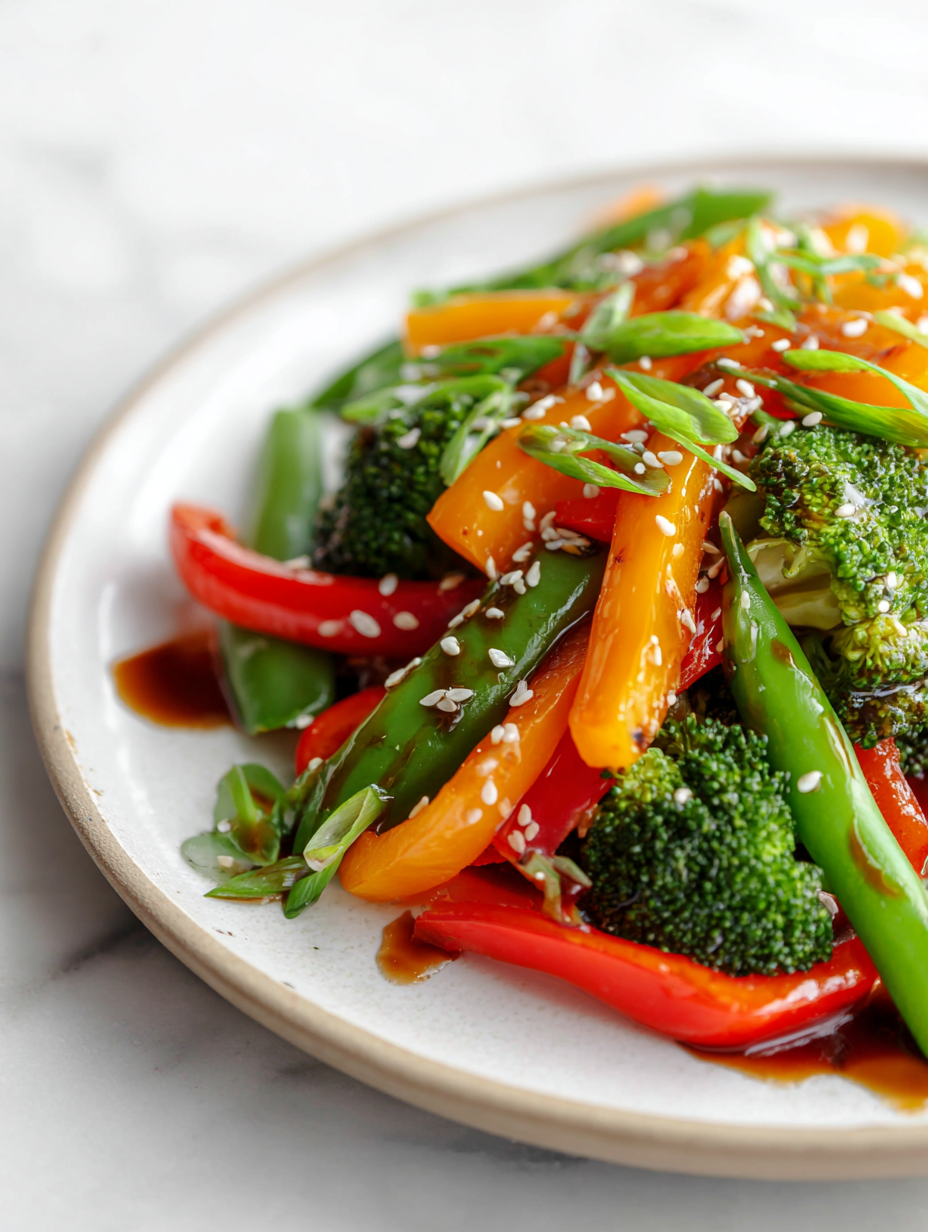
- Check the doneness: vegetables should be crisp-tender, glossy, and vibrant. The sauce should be sticky and cling to each piece.
- Remove from heat. Rest for 1 minute to let flavors settle. Serve hot, sprinkled with toasted sesame seeds and a drizzle of extra sesame oil if desired.
- Plate your vegetable teriyaki over steamed rice or noodles, and enjoy the aroma of toasted sesame and sweet soy glaze.
Serve immediately while hot. Garnish with toasted sesame seeds and a light drizzle of sesame oil. Rest for a minute to let flavors meld before plating.
How to Know It’s Done
- Vegetables are crisp, vibrant, and cook evenly without losing crunch.
- Sauce is glossy, slightly thickened, and coats the veggies without pooling.
- Vegetables reach an internal temperature of around 80°C (175°F) for safety and optimal texture.
Vegetable Teriyaki
Ingredients
Equipment
Method
- Gather all your equipment: a large wok or skillet, a spatula, a small bowl, and measuring spoons, placing them within easy reach.
- Prep your vegetables by slicing bell peppers and carrots into thin strips, and cutting broccoli into small florets. Keep them uniform in size for quick, even cooking.
- In the small bowl, whisk together soy sauce, mirin, sesame oil, sugar, and water until the sugar dissolves completely. Set the sauce aside.
- Heat your wok or skillet over medium-high heat until hot and slightly shimmering. Add a teaspoon of sesame or vegetable oil, swirling to coat the surface.
- Add the minced garlic and ginger to the hot oil, sautéing for about 30 seconds until fragrant and aromatic.
- Quickly toss in the sliced vegetables, stirring constantly. Cook for 2-3 minutes until they start to soften but still remain crisp and vibrant.
- Pour the prepared sauce over the vegetables, stirring to coat evenly. Increase the heat slightly to bring the sauce to a gentle simmer.
- Allow the sauce to bubble gently for 2-3 minutes, stirring often. The sauce should thicken slightly and turn glossy, clinging to the vegetables.
- In the small bowl, dissolve the cornstarch in cold water to create a slurry, then pour it into the pan. Stir continuously until the sauce bubbles and becomes shiny and thickened, about 30 seconds.
- Remove the skillet from heat once the sauce is glossy and coats each vegetable piece evenly. Sprinkle toasted sesame seeds over the top for added flavor and crunch.
- Serve your vegetable teriyaki hot over steamed rice or noodles, garnished with extra sesame seeds if desired. Enjoy the vibrant colors, sticky glaze, and crisp-tender vegetables!
Pro Tips for Perfect Vegetable Teriyaki
- Bolded mini-head: Use high heat—sears vegetables quickly, locking in flavor and color.
- Bolded mini-head: Keep vegetables uniform in size—ensures even cooking and vibrant presentation.
- Bolded mini-head: Add sauce at the right moment—pour when veggies are just tender for glossy glaze.
- Bolded mini-head: Dissolve cornstarch thoroughly—prevents lumps, creating a smooth, clingy sauce.
- Bolded mini-head: Toast sesame seeds lightly—brings out nutty aroma and enhances visual appeal.
- Bolded mini-head: Use fresh garlic and ginger—maximize aroma and warmth, avoid bitter overcooking.
- Bolded mini-head: Adjust soy and mirin to taste—balance salty and sweet, aiming for that perfect umami punch.
Common mistakes and how to fix them
- FORGOT to adjust heat; if vegetables burn, lower flame immediately.
- DUMPED sauce too early; cook longer until glossy and thickened.
- OVER-TORCHED vegetables; stir constantly and remove from heat quickly.
- UNDERRIPE vegetables; choose firm, fresh produce for better texture.
Quick kitchen fixes for vegetable teriyaki
- When sauce is too thin, splash in a bit more cornstarch and stir until glossy.
- If vegetables release too much water, drain or cook a minute longer to evaporate excess moisture.
- Splash soy sauce on vegetables if they seem under-seasoned mid-stir; taste and adjust as you go.
- Patch burnt spots on stir-fry by removing them quickly, then add fresh oil and continue cooking.
- Shield delicate vegetables with a lid briefly if they start to overcook and lose crunch.
Prep, store, and reheat tips
- Prep your vegetables: slice and measure them a day in advance. Keep in an airtight container in the fridge; they stay crisp for about 1-2 days and make stir-frying quicker.
- Mix the sauce ingredients ahead: combine soy, mirin, sesame oil, and sugar in a jar. It keeps well in the fridge for up to 3 days, and the flavors meld beautifully over time, giving a richer aroma.
- Store toasted sesame seeds separately: keep in a small jar or bag; they stay crunchy and aromatic for up to a week, ready to sprinkle just before serving.
- Reheat leftovers carefully: warm gently in a skillet over low heat, stirring often. The glaze will thicken slightly; add a splash of water or soy if it becomes too sticky, and look for that glossy, inviting sheen.
- Shelf life: cooked vegetable teriyaki is best enjoyed within 2 days for optimal freshness and flavor. After that, the veggies may soften and the sauce could lose some of its vibrancy.
Common Questions about Vegetable Teriyaki
1. What vegetables work best for teriyaki?
Use firm, fresh vegetables sliced uniformly for quick cooking and vibrant color. Bell peppers, broccoli, carrots, snap peas work well.
2. Can I use a different soy sauce?
Soy sauce is the backbone—opt for low-sodium if you want milder flavor, but don’t skip it for depth.
3. What’s a good substitute for mirin?
Mirin adds sweetness and shine—if you don’t have it, mix honey with rice vinegar for a similar effect.
4. How much sesame oil should I add?
Sesame oil is potent—just a teaspoon for a toasted, nutty aroma. Too much can overpower the dish.
5. What temperature should I cook at?
Cook on high heat—around 200°C (390°F)—to sear vegetables quickly and lock in flavor and color.
6. How do I thicken the sauce properly?
Dissolve cornstarch thoroughly in cold water before adding—this prevents lumps and creates a glossy glaze.
7. What equipment do I need?
Use a large wok or skillet—allows for quick stir-frying and even heat distribution.
8. When should I serve the dish?
Serve immediately for best texture and flavor—glossy, crisp vegetables coated in a sticky, savory sauce.
9. How do I store and reheat leftovers?
Leftovers can be stored in the fridge for up to 2 days—reheat gently in a skillet until hot and glossy.
10. How can I customize the flavor?
Adjust soy and mirin to taste—balance salty and sweet for that perfect umami flavor with a hint of sweetness.
This vegetable teriyaki is a quick reminder that honest, simple ingredients can deliver real flavor. It’s perfect for busy nights when I want something nourishing without the fuss. The smell of toasted sesame and soy glaze always pulls me into the kitchen, eager to dig in.
In the end, it’s about those little moments—stirring vegetables until glossy, tasting for balance, and feeling grateful for a meal made with humble, honest effort. No matter how hectic the day, this dish keeps me grounded with its straightforward, satisfying presence.

Hi there! I’m Isabella, the founder and curious foodie behind Crumb Detective. I’ve always believed that every dish has a story to tell — from the secret family recipes passed down through generations to the bold experiments happening in kitchens around the world.